




Blood Vision Metabolic Panel explained
Medically reviewed by Mukul Mittal, MD
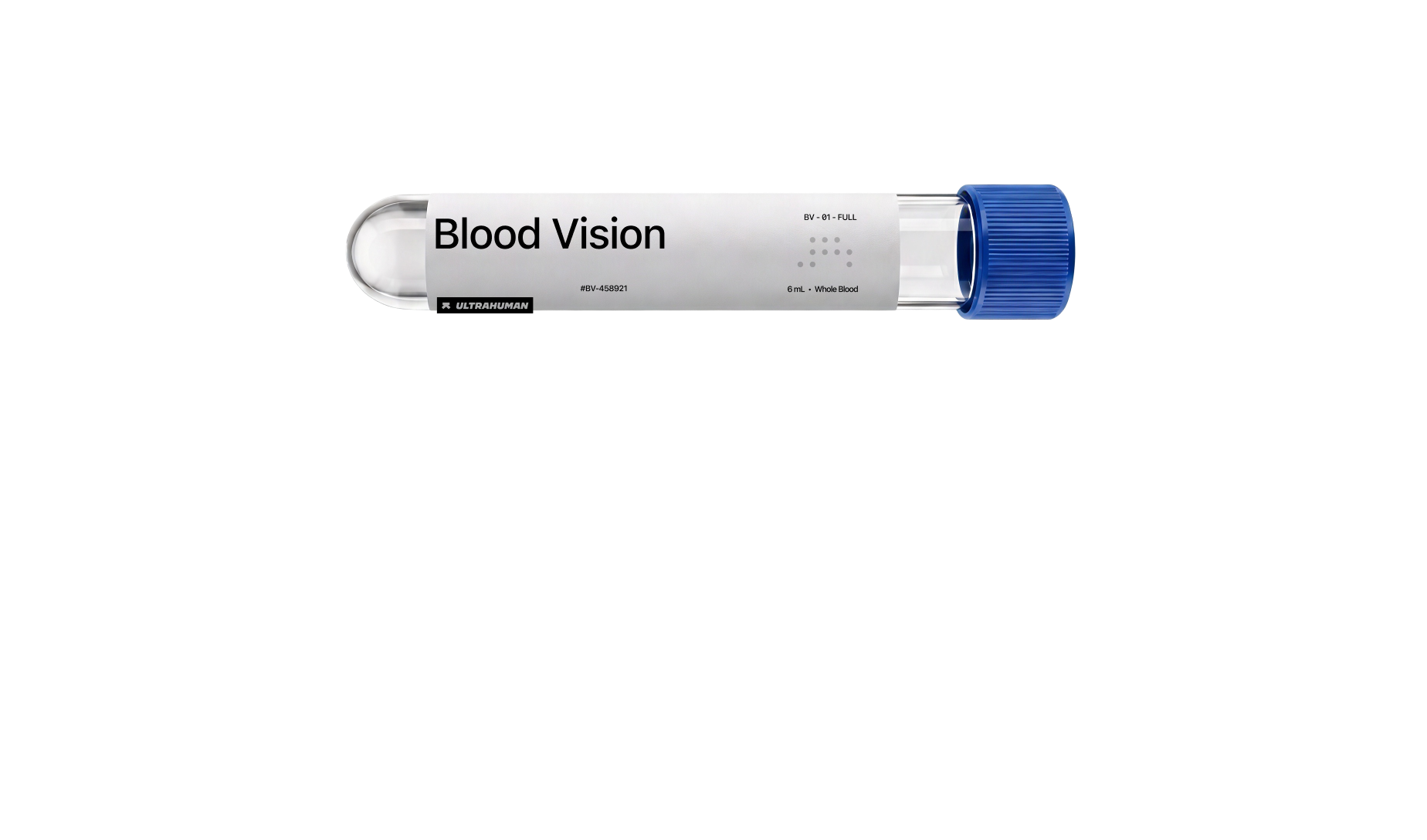
The Blood Vision Metabolic Panel is a fasting blood test that reports four markers: fasting glucose, HbA1c, fasting insulin, and HOMA-IR. Together they show how steady your blood sugar is, and how much insulin your body is using to hold it there.
Key takeaways
The Metabolic Panel measures your blood sugar and the insulin effort behind it, from one fasting blood draw.
Fasting insulin and HOMA-IR describe the effort behind your blood sugar, and that effort often shifts before the sugar numbers do.
Movement, meal composition, sleep, and stress all move these numbers.
Fasting glucose is one morning's snapshot, while HbA1c reflects roughly your average blood sugar over the past three months.
In a large trial of adults at higher risk, modest weight loss and regular activity cut progression to diabetes by 58%.
The Metabolic Panel markers
The panel splits into two pairs. The first tells you what your blood sugar is doing. The second tells you how much work your body is putting in to keep it there.
Blood glucose markers
Fasting glucose: The amount of sugar in your blood after a night without food. It's the most direct reading on the panel, and a snapshot of a single morning. A short night's sleep or a stressful week can nudge it.
HbA1c: Sugar in your blood slowly attaches to your red blood cells. Those cells live for a few months, so HbA1c reflects roughly your average blood sugar over the past three months. One heavy breakfast won't move it. A steady pattern will.
Insulin markers
Fasting insulin: Insulin is the hormone that moves sugar out of your blood and into your cells, where it's used for energy. This measures how much of it is circulating while you rest.
HOMA-IR: A calculation that combines your fasting glucose and fasting insulin into one number for how hard your insulin is working. A low value suggests your cells are responding easily. A higher value suggests insulin is working harder to do the same job. HOMA-IR is an estimate rather than a direct measurement of how your cells respond. It does not apply if you take insulin, because the calculation cannot separate your own insulin from the insulin you take.
Metabolic health could be measured a dozen ways, and a long panel can bury the signal in noise. Ultrahuman built this one around a simple idea: put the result and the effort side by side. That means the fewest numbers that still catch a problem at its earliest, most fixable stage.
Why insulin matters when glucose looks normal
When your cells start responding less readily to insulin, your body makes more of it to get the same job done. That's insulin resistance, and the extra effort can keep your glucose looking normal for a time.
A continuous glucose monitor (CGM) can show a flat, steady curve while your insulin is quietly doing more work behind it.
The Whitehall II study tracked 6,538 British civil servants and recorded 505 new diabetes cases. Insulin sensitivity started falling steeply about five years before diagnosis, while fasting blood sugar climbed sharply only in the final three years. This is a pattern seen in groups followed over time, not something a single panel can confirm about you.
It works the other way too. In a study of 11,092 adults without diabetes, an HbA1c between 6.0% and 6.5% carried 4.48 times the risk of developing diabetes in the years that followed. The comparison group had an HbA1c between 5.0% and 5.5%. The comparison accounts for other risk factors, including age and weight. That is a pattern across a large group, not a prediction for any one person. Risk is already climbing while a number still sits below the diabetes cutoff.
So the four markers together give you a fuller picture than any one of them alone:
Glucose and HbA1c in range, insulin and HOMA-IR low: Blood sugar is steady, and your body is holding it there without straining.
Glucose and HbA1c fine, but insulin or HOMA-IR creeping up: The early signal that your body is working too hard to stay metabolically healthy.
Glucose or HbA1c also drifting up: The same story a little further along, and a reason to talk to your doctor.
When researchers followed 1,349 adults aged 50 to 75 for about six years, fasting glucose predicted diabetes more strongly than HbA1c did. Fasting insulin on its own was the weakest of the four. No single number owns the whole answer, which is why the panel reports them together.
Lower is not automatically better for the blood sugar markers. A fasting glucose or HbA1c well below the usual range is worth a doctor's look, especially alongside symptoms like shakiness, dizziness, or unusual fatigue.
What moves these numbers
The habits that support steady blood sugar are the same ones that ease the load on insulin.
Movement is the most reliable lever. Your muscles pull sugar out of the blood during and after activity, which means insulin does less of the work. Even a short walk after meals counts.
Meal composition: Meals built around protein, fiber, and vegetables produce gentler rises in blood sugar than the same calories from refined carbohydrates. Eating the vegetables and protein before the starchy part of a meal smooths the rise further.
Sleep and stress: Short sleep and ongoing stress can push blood sugar up on their own, without a meal involved.
These changes work. In a large trial of adults at higher risk, modest weight loss and 150 minutes of activity a week cut progression to diabetes by 58%.
How the Ring fits in between tests
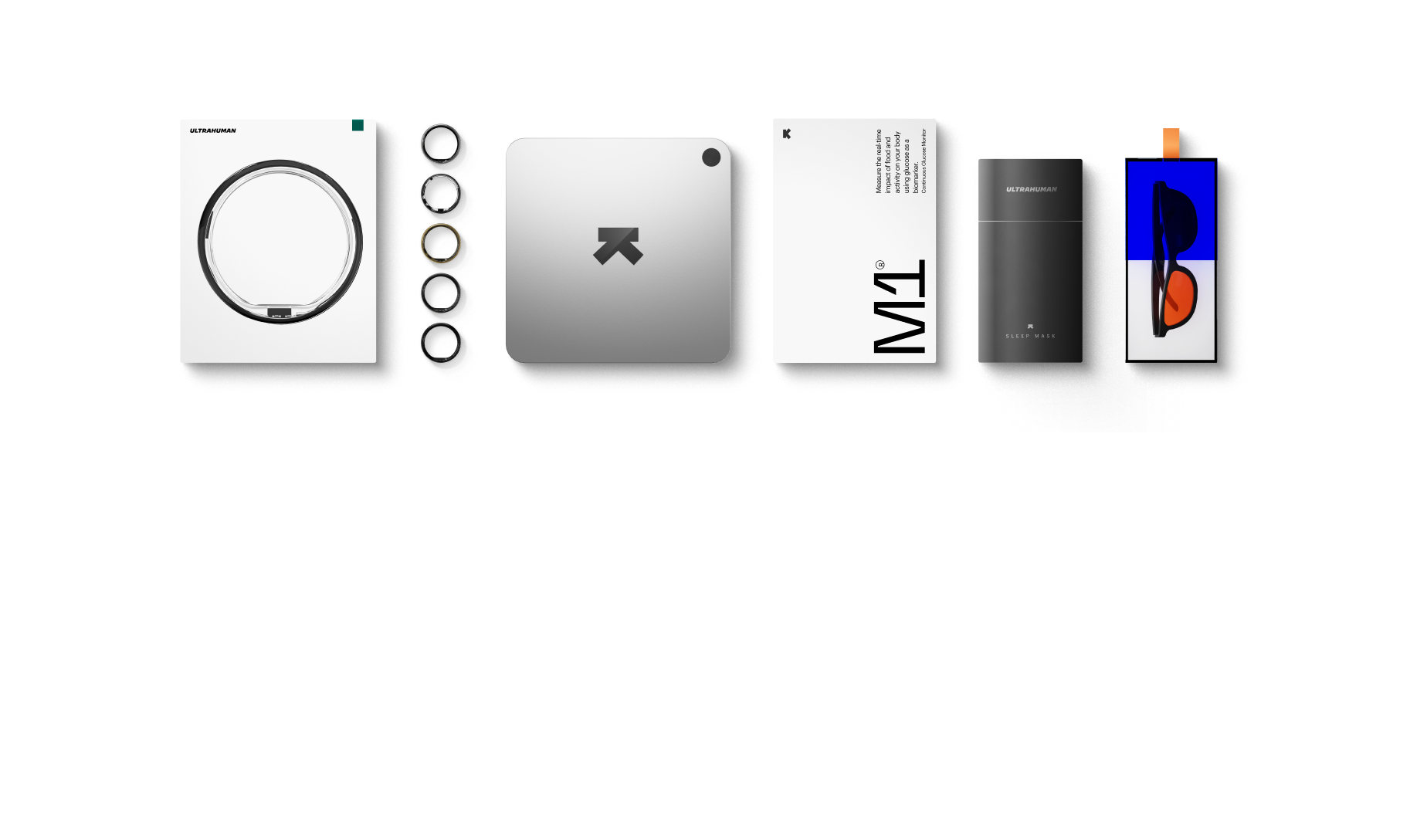
Using the Ultrahuman M1/M2 Live CGM with the Ring PRO/AIR adds a real-time tracking layer away from your blood test.
The Metabolic Score offers a day-to-day score of your glucose control and your response to meals.
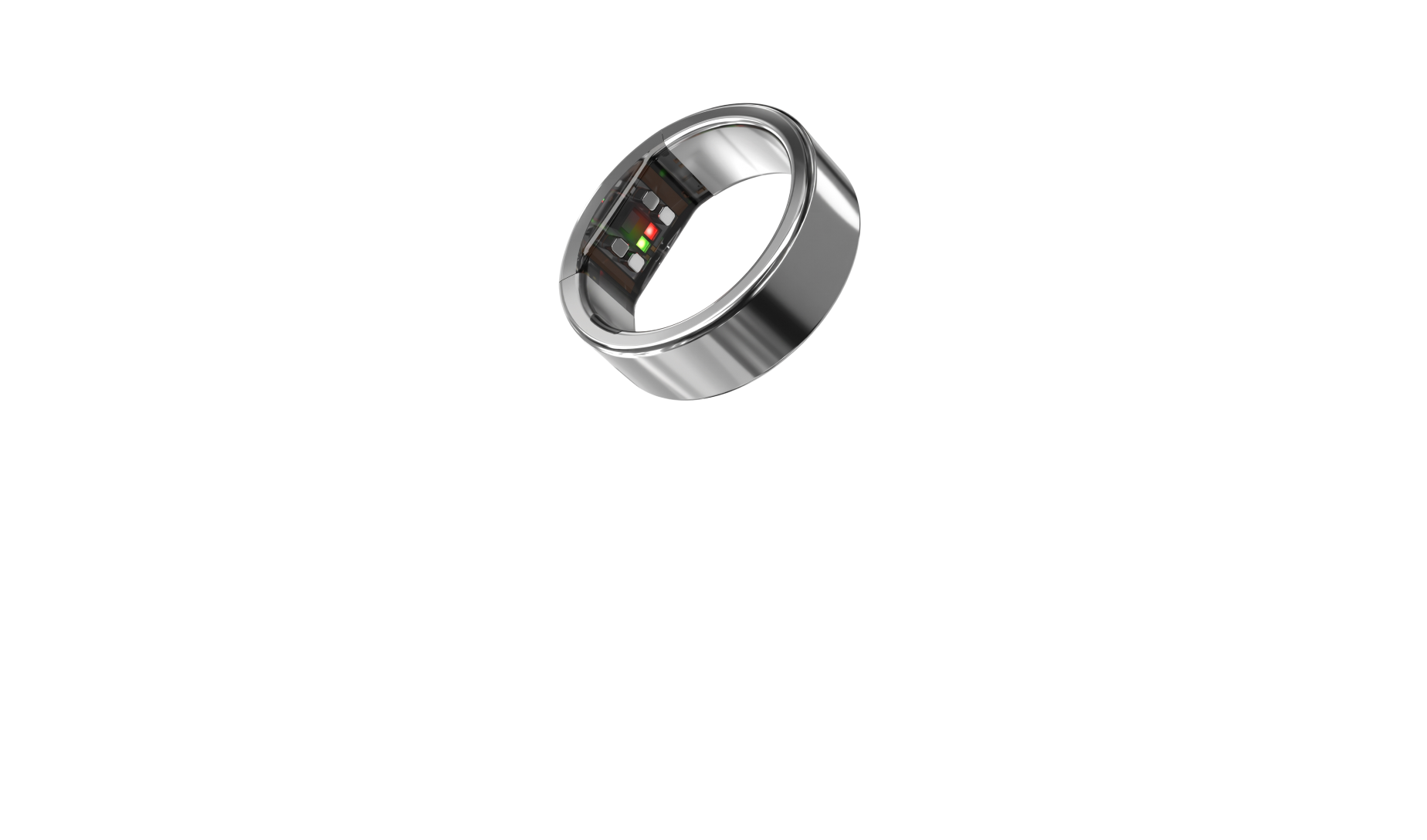
Then the Ultrahuman Ring tracks sleep, stress, and movement to support your health.
Read the original research
All Studies →This explainer is based on original research by the Ultrahuman Science team. Explore the full Studies repository.
Frequently asked questions
What is this panel actually telling me?
How well your body handles blood sugar. Two numbers report the sugar itself (fasting glucose and HbA1c) and two report the effort your body is putting in to keep it in range (fasting insulin and HOMA-IR).
If my glucose is normal, why does insulin matter?
Because insulin usually moves first. When your cells start responding less readily, your body makes more insulin to keep glucose looking normal. In the Whitehall II study, insulin sensitivity fell steeply in the five years before diagnosis, while fasting blood sugar climbed sharply only in the final three. Fasting insulin and HOMA-IR can add context when glucose still looks normal.
Do I need to fast before the test?
Yes. The panel is drawn after a night without food, so the numbers reflect your body at rest before a meal has had a chance to move them. That's why they're called fasting glucose and fasting insulin.
What counts as a good result?
Broadly, fasting glucose and HbA1c sitting comfortably in range with fasting insulin and HOMA-IR low. Exact ranges depend on your lab and your history, so treat any single number as a prompt to look at the pattern rather than a verdict.
How often should I retest?
A retest some weeks or months after a change in habits shows you the direction of travel far better than a single result. The panel is designed for that.
Can the Ultrahuman Ring track this between tests?
Not the blood markers themselves. The Ring doesn't read blood sugar, but the sleep and activity it tracks are two of the biggest levers on this panel. If you also use a glucose sensor, your Metabolic Score and glucose response to meals give you a running read from that sensor.
One of my numbers looks off. What should I do?
Nothing here is a diagnosis. If a number sits well outside the usual range, or the pattern holds across retests, raise it with a physician who knows your history.
References
- Selvin E et al. Glycated haemoglobin, diabetes, and cardiovascular risk in nondiabetic adults. New England Journal of Medicine 2010. PMID 20200384
- Tabák AG et al. Trajectories of glycaemia, insulin sensitivity, and insulin secretion before diagnosis of type 2 diabetes: an analysis from the Whitehall II study. The Lancet 2009. PMID 19515410
- Ruijgrok C et al. Size and shape of the associations of glucose, HbA1c, insulin and HOMA-IR with incident type 2 diabetes: the Hoorn Study. Diabetologia 2018. PMID 29018885
- Knowler WC et al. Reduction in the incidence of type 2 diabetes with lifestyle intervention or metformin. New England Journal of Medicine 2002. PMID 11832527
Blood Vision supports your awareness of your own health and wellbeing. It is not a medical device and is not intended to diagnose, treat, cure, or prevent any disease. Your results are best read alongside how you feel: if something seems off, or a number sits well outside the usual range, they are best interpreted with a physician who knows your history.

