




Blood Vision Thyroid Panel: TSH, T4 & T3 explained
Medically reviewed by Mukul Mittal, MD
Your thyroid is the small gland in your neck that sets your body's pace: your energy, temperature, weight and mood. The Blood Vision Thyroid Panel measures whether it's keeping up, or starting to run fast or slow.
A thyroid can drift in either direction. Slow is far more common, and tends to show up as tiredness, feeling cold and weight gain. Fast is rarer, and tends to show up as a racing heart, feeling too warm, shaky hands and unexplained weight loss. Fast is also the direction doctors usually want to see sooner.
In this guide, we explain what each marker measures, how they read together, and what the research says about thyroid testing.
Key takeaways
The panel reads four markers together: TSH, free T4, free T3, and thyroid antibodies.
TSH is the brain's signal to the thyroid, and the most sensitive of the four. It moves before the thyroid hormones themselves drift.
Thyroid antibodies show whether your immune system is involved, and can appear years before hormone levels change.
Thyroid symptoms like tiredness, weight change and feeling cold are common and not specific to the thyroid. People with normal results report them too, so a blood test is more reliable than symptoms alone.
The Thyroid Panel markers
Your thyroid releases hormones that tell nearly every cell how fast to work. That's why a thyroid running off-pace touches so many things at once: energy, body temperature, weight, heart rate and mood.
The panel reads that system from two directions: the instruction being sent, and the hormones actually delivered.
- TSH: The signal your brain sends to the thyroid, telling it to work harder or ease off. It's the most sensitive marker on the panel and usually the first to move.
- Free T4: The main hormone your thyroid releases. "Free" means the small unbound share your cells can actually use, since most thyroid hormone in your blood is bound to carrier proteins and parked.
- Free T3: The more active hormone, which your body converts from T4.
- Thyroid antibodies: A sign that your immune system is acting on the gland. Where diets carry enough iodine, this is the most common reason a thyroid slowly turns underactive. Worldwide, too little iodine is the more common reason. Positive antibodies raise the chance of a thyroid problem later, but they are not a diagnosis on their own.
How the four markers read together
One thyroid marker is limited in terms of its usefulness, but analyzing the data as a full set gives a clearer picture. These combinations are the ones to look out for:
- TSH raised, free T4 and free T3 still in range: Your thyroid is working harder to keep output steady.
- TSH raised, hormones falling: The shift has reached your tissues, not just the signal.
- TSH low, hormones climbing: The thyroid is running fast. This direction is less common than a slow thyroid, but it is worth a physician's attention sooner.
- Antibodies positive: Your immune system is involved, which makes a drift more likely to continue than a one-off reading would suggest.
What the research says about thyroid testing
TSH amplifies small changes, which is why it moves first. In 445,994 blood samples from more than 152,000 people, a small shift in free T4 corresponded to a much larger shift in TSH. The resting TSH level also varied with age and sex.
Antibodies predict what happens next. In the twenty-year Whickham community survey, women with both a raised TSH and positive thyroid antibodies had about 38 times the odds of developing an underactive thyroid. That compares with about 8 times for a raised TSH alone, and about 8 times for antibodies alone.
Thyroid pace affects weight even inside the normal range. Among 2,407 adults with thyroid readings within the reference range, a higher TSH was associated with higher body weight, and a rise in TSH over about three years lined up with modest weight gain.
Symptoms alone are a poor guide. In 25,862 people, tiredness and other thyroid symptoms were reported more often by those with an underactive thyroid, but the same symptoms were just as common in people with normal thyroid readings. Feeling off is a reason to test, not a reading in itself.
How to read your results in the app
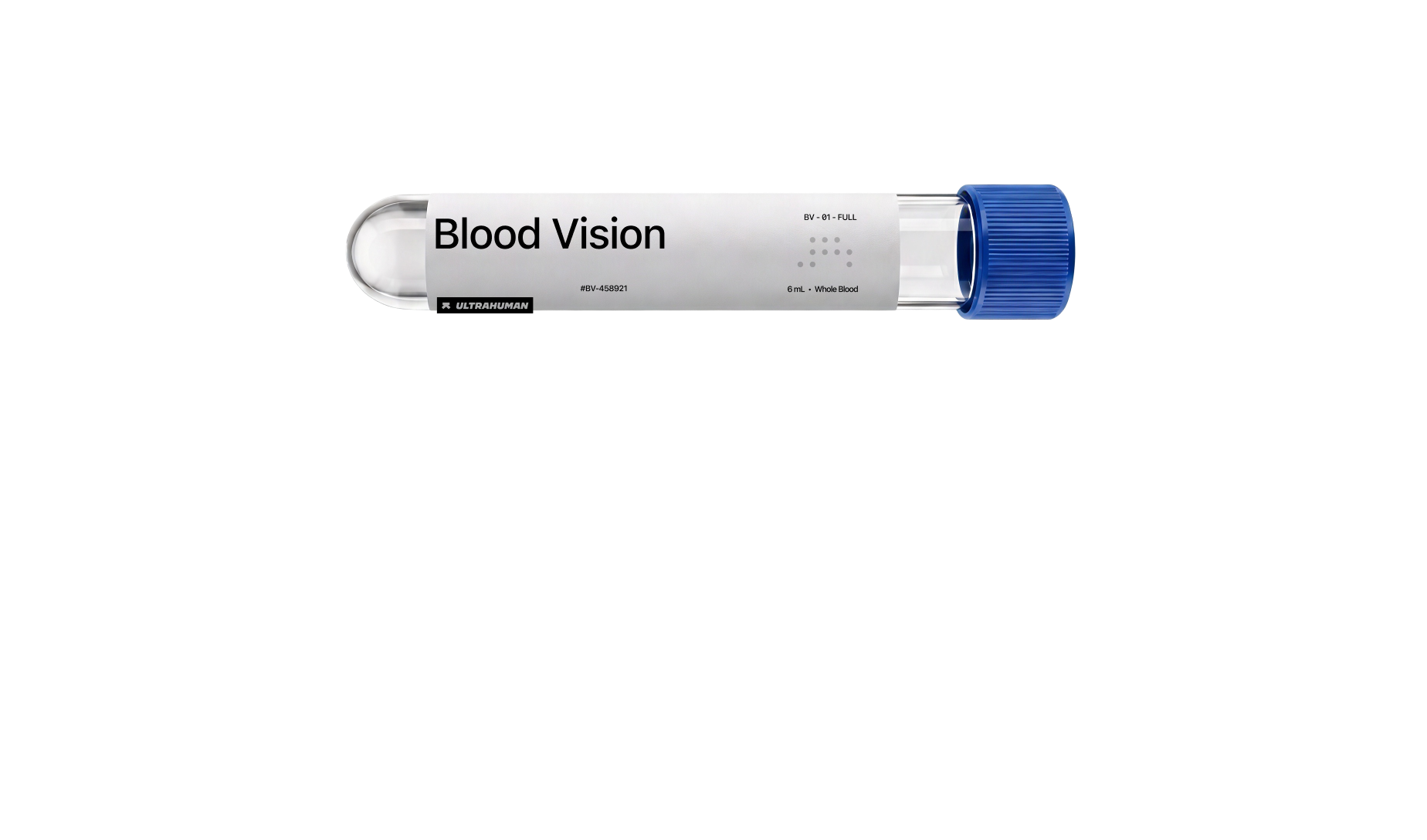
Your thyroid panel appears in Blood Vision as one card showing TSH, free T4, free T3 and thyroid antibodies against their reference ranges, so you read them side by side.
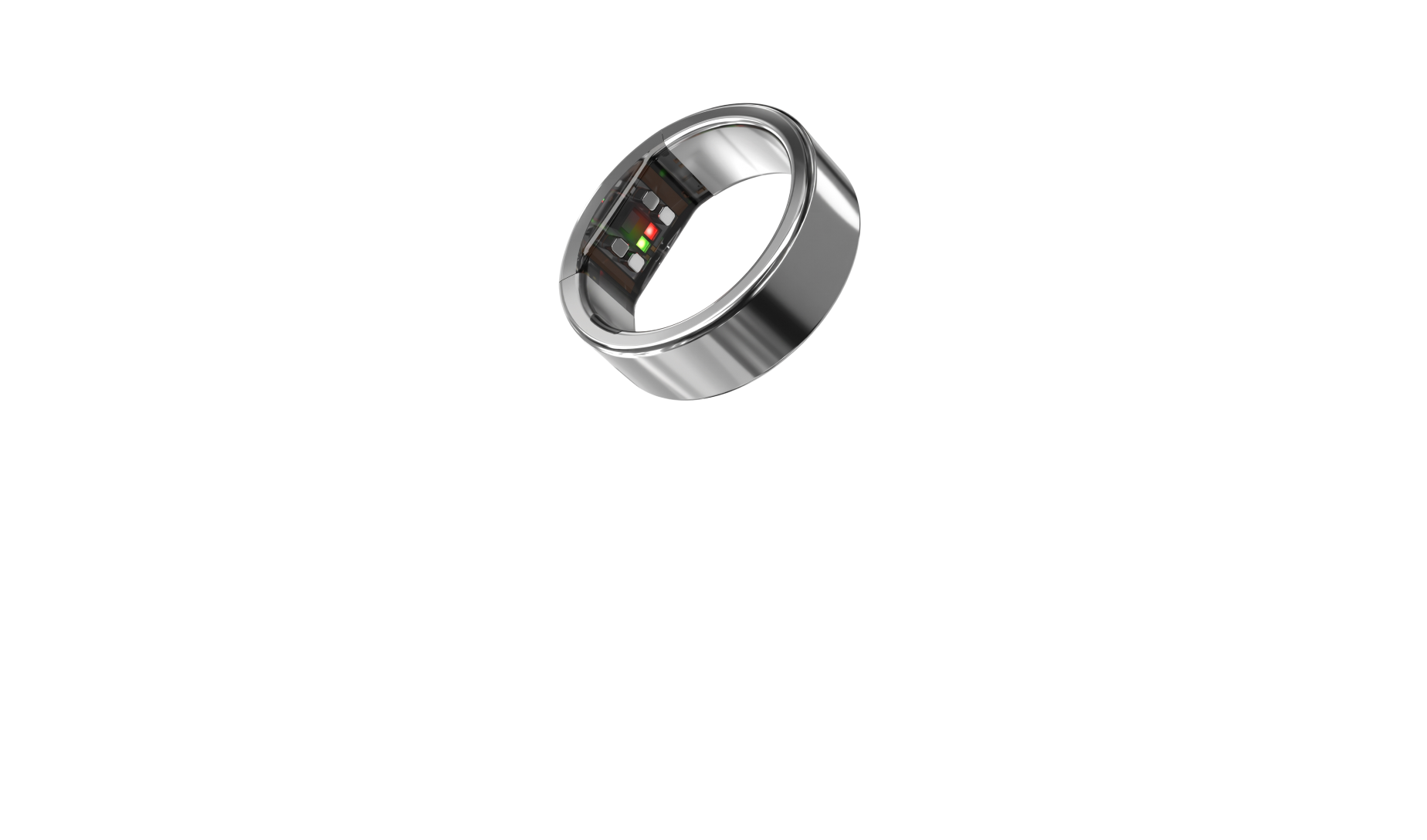
The pace your thyroid sets also shows up in signals the Ring already tracks. A thyroid running slow can pull resting heart rate down and leave you feeling cold. One running fast can push it up and leave you feeling wired, with skin temperature drifting alongside. Both signals also move for many everyday reasons, including fitness, poor sleep, illness, alcohol and a warm room. Read those as context rather than as a thyroid test.
Neither direction is the better one. A thyroid running fast isn't a fitter version of one running slow, and the same reading can mean different things depending on your antibodies, your age and how you feel. If a number sits well outside its range, or you have symptoms that won't settle, bring the panel to a physician.
Read the original research
All Studies →This explainer is based on original research by the Ultrahuman Science team. Explore the full Studies repository.
Frequently asked questions
Which thyroid marker is the most sensitive?
TSH is usually the first to move, because a small change in thyroid hormone produces a much larger change in TSH. It often shifts while free T4 and free T3 still look normal.
What is the difference between free T4 and free T3?
Free T4 is the main hormone the gland releases, and your body converts part of it into free T3, the more active form. "Free" means the small unbound share that's actually available to your cells rather than parked on carrier proteins.
What do thyroid antibodies tell me?
That your immune system is acting on the gland. Where diets carry enough iodine, this is the most common reason a thyroid slowly turns underactive, though worldwide too little iodine is the more common reason. A positive result is not a diagnosis on its own, and antibodies can appear before hormone levels change. Which antibody is raised also matters, since some point toward a slow thyroid and others toward a fast one.
Can my thyroid panel be normal even if I feel tired?
Yes. Tiredness, weight change and feeling cold have many causes, and large studies find these symptoms in plenty of people with normal thyroid readings. A normal result is still useful information.
What can shift my thyroid numbers?
Age and sex shift the usual TSH range. Pregnancy changes thyroid demand, and a recent illness can distort the numbers. Biotin supplements, estrogen and some other medications can change the result or interfere with the lab test itself. A one-off reading slightly outside range is often worth simply rechecking.
How often should I check a thyroid panel?
It depends on your history, your symptoms and what your last reading showed. Someone tracking a borderline result or carrying thyroid antibodies may look more often than someone whose panel has been steady. Your physician sets the cadence.
References
- Hadlow NC et al. The relationship between TSH and free T4 in a large population is complex and nonlinear and differs by age and sex. J Clin Endocrinol Metab 2013. PMID 23671314
- Vanderpump MP et al. The incidence of thyroid disorders in the community: a twenty-year follow-up of the Whickham Survey. Clin Endocrinol (Oxf) 1995. PMID 7641412
- Fox CS et al. Relations of thyroid function to body weight: cross-sectional and longitudinal observations in a community-based sample. Arch Intern Med 2008. PMID 18362250
- Canaris GJ et al. The Colorado thyroid disease prevalence study. Arch Intern Med 2000. PMID 10695693
The Blood Vision Thyroid Panel describes associations in lab data, not cause and effect. It is not a medical diagnosis. If a marker sits well outside the usual range or keeps drifting, bring the panel to your physician.

