



Glucose response to food: how to read your curve
Medically reviewed by Mukul Mittal, MD
Every time you eat, your blood sugar climbs as carbohydrates are absorbed, peaks, then settles back to baseline. That curve is your glucose response to food, and how high it climbs and how fast it settles tells you a great deal about your metabolic health.
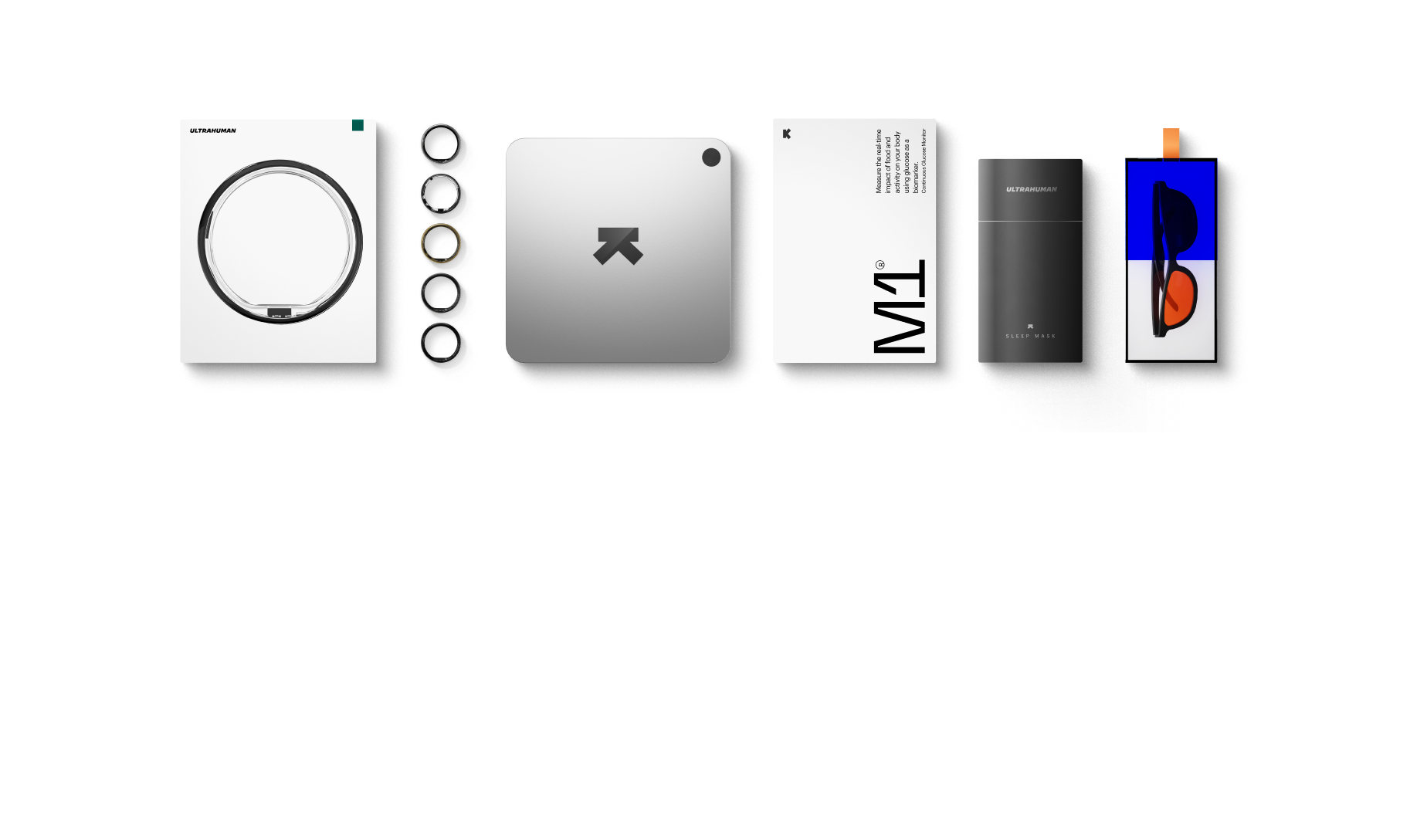
Seeing it takes a continuous glucose monitor. If you wear the Ultrahuman M1 Live (sold as M2 Live in the US), the curve appears in the app every time you tag a meal.
The CDC reports that more than 2 in 5 US adults have prediabetes, and around 8 in 10 don't know it. Caught early, it responds well to changes in how you eat, move, and sleep.
In this guide, we explain how to read your glucose curve, why the same meal lands differently in different people, and what moves yours.
Key takeaways
Your glucose response is a curve, not a number: how high your blood sugar climbs after eating, and how fast it settles.
The CGM samples glucose continuously. Readings that stay outside your usual range for long stretches are worth noticing, and worth raising with your doctor if they keep happening.
Two people eating an identical meal can land very different curves.
Food isn’t the only factor that determines your glucose curve. Stress and sleep can contribute to large swings or spikes.
Swings and spikes after eating are normal. The question is how big they get and how fast they settle.
What is a glucose response to food?
A glucose response to food is the rise and fall in blood sugar that follows a meal, usually over about two hours in a healthy adult. However, the timing varies from person to person and from meal to meal.
Carbohydrate breaks down into glucose, which enters your bloodstream. Insulin then moves that glucose into your cells, and the level drops back toward baseline.
In Ultrahuman M1/M2 Live, meals appear on a live glucose graph and feed your Metabolic Score. Tag a meal, and the peak is pinned to the food that caused it.
How to read your glucose curve
Three things about the shape of a curve are worth reading:
- How high it climbs: The distance between your starting level and the peak is the clearest single measure of how that meal affected your glucose. But remember, the same food eaten on two different days can produce noticeably different heights thanks to many variables including stress and sleep.
- How fast it gets there: A sharp, early spike behaves differently from a gentle climb to the same peak.
- How long it takes to settle: In a healthy adult, the level usually peaks within an hour and is back near baseline by two. A curve that repeatedly remains elevated well past that is worth noting.
But there’s an important fact to remember. Much of the discourse around CGMs and metabolic health is about avoiding rises or spikes in your curve. However, a rise after eating is what working metabolism looks like. A very flat line can simply mean you ate very little.
Chasing a flat curve by cutting food is not the goal; building healthy habits that blunt spikes and being aware of foods that affect your glucose is the goal.
How glucose fits the rest of your data
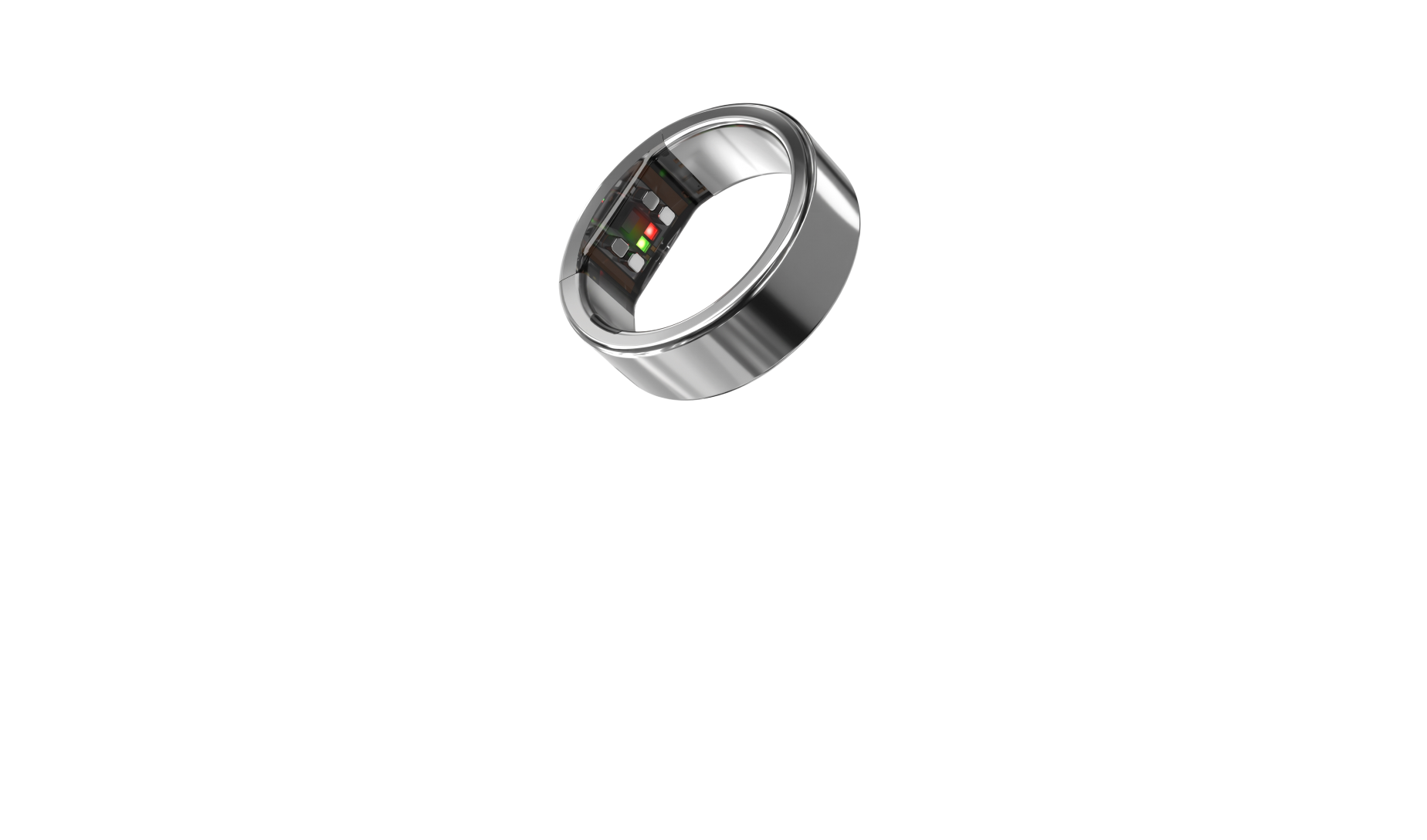
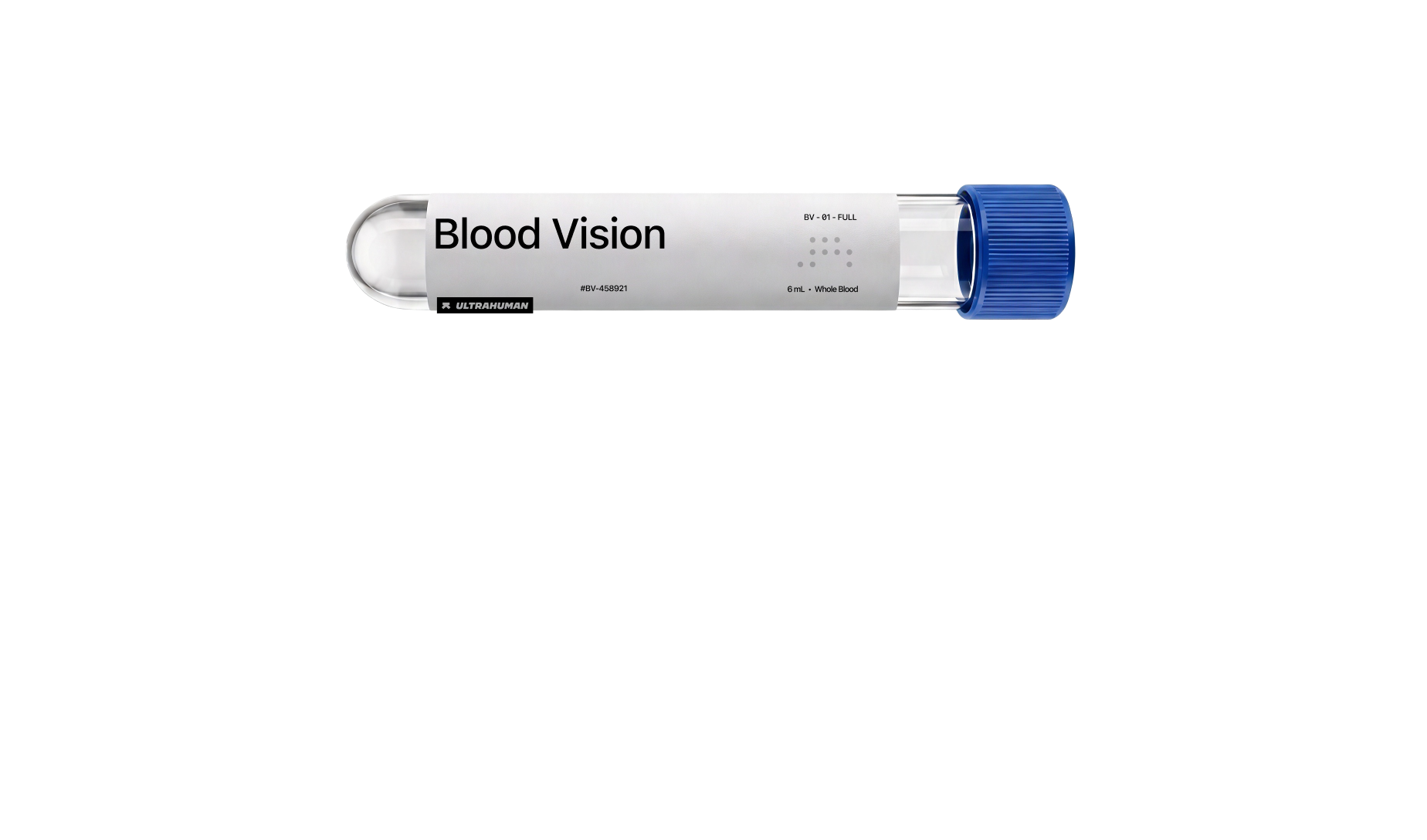
As we’ve mentioned, food is only one part of the glucose story. Ultrahuman brings three layers of measurement into one app: the Ring's overnight sleep, recovery, and stress data, continuous glucose data from the CGM, and even your blood markers (including fasting insulin) from a Blood Vision test.
Jade, Ultrahuman's biointelligence AI, reads across all three. That means a glucose curve can be set against the night's sleep behind it and the fasting insulin from your last blood draw, rather than being read in isolation.
That matters here because sleep and stress move glucose independently of what you eat.
A curve that looks worse than usual after a familiar meal often has its explanation in the night before rather than on the plate.
How to flatten your glucose curve
There are several evidence-based strategies for flattening your glucose curve:
- Eating order: In a small crossover pilot, 11 adults with type 2 diabetes ate the same meal twice, changing only the sequence. Across those 11 people, glucose ran about 29% lower at 30 minutes when vegetables and protein came before the carbohydrate, and about 37% lower at 60 minutes. This has been tested mainly in type 2 diabetes and prediabetes, and the effect is smaller in people with normal glucose regulation; treat it as a direction rather than a result to expect.
- Walking after a meal: A meta-analysis pooled 8 randomized trials covering 116 participants, with and without type 2 diabetes. Moving after a meal blunted the glucose rise more than moving beforehand.
- Short sleep worsens how you handle glucose: When 11 young men had their sleep cut to four hours a night for six nights, their glucose tolerance fell measurably compared with the same men fully rested.
What Ultrahuman's glucose data shows
Everyday glucose separates people before anything is wrong.
Ultrahuman's CGM ran for 14 days in 105 Indian adults: 53 with normal blood sugar and 52 with prediabetes.
| Group | Daily mean glucose | Glucose swing |
|---|---|---|
| Normal blood sugar (53 adults) | 102.4 mg/dL | 16.2 mg/dL |
| Prediabetes (52 adults) | 112.2 mg/dL | 19.4 mg/dL |
Read the original research
All Studies →This explainer is based on original research by the Ultrahuman Science team. Explore the full Studies repository.
Frequently asked questions
How long should a glucose spike after eating take to come down?
In a healthy adult the level usually peaks within an hour and is near baseline by two hours. A peak that lingers well past that is worth noticing, especially if the same meal does it repeatedly.
Does a bigger spike mean the food was bad for me?
No. A curve says how you handled that meal on that day. It isn't a verdict on the food, which lands differently depending on what you ate alongside it and how you slept.
Do I need a continuous glucose monitor if I'm not diabetic?
Products such as Ultrahuman M1/M2 Live are wellness tools. Their value without diabetes is understanding your metabolic health, becoming aware of the impact of food choices on your glucose, and building habits that last.
Why did the same meal give me a different curve today?
Because the meal is only one input. Sleep, movement, stress and the meal before it all shift the curve.
What lowers blood sugar after a meal fastest?
Walking is the most reliable lever in the research, which points to moving after the meal rather than before. Eating vegetables and protein ahead of the carbohydrate may also blunt the early climb, though that has mostly been tested in people with type 2 diabetes.
Can I compare my curve to someone else's?
Not usefully. The same meal affects different people in different ways. Your own curve, repeated across a few attempts, is the comparison that counts.
References
- Zeevi D et al. Personalized nutrition by prediction of glycemic responses. Cell 2015. PMID 26590418
- Berry SE et al. Human postprandial responses to food and potential for precision nutrition. Nature Medicine 2020. PMID 32528151
- Shukla AP et al. Food order has a significant impact on postprandial glucose and insulin levels. Diabetes Care 2015. PMID 26106234
- Engeroff T, Groneberg DA, Wilke J. After dinner rest a while, after supper walk a mile? A systematic review with meta-analysis on the acute postprandial glycemic response to exercise before and after meal ingestion. Sports Medicine 2023. PMID 36715875
- Chaudhry M et al. Metabolic health tracking using Ultrahuman M1 continuous glucose monitoring platform in non- and pre-diabetic Indians: a multi-armed observational study. Scientific Reports 2024. PMID 38499685
- Spiegel K, Leproult R, Van Cauter E. Impact of sleep debt on metabolic and endocrine function. The Lancet 1999. PMID 10543671
- Centers for Disease Control and Prevention. Prediabetes: Could It Be You? 2026. cdc.gov
This article describes associations in glucose data, not cause and effect. It is not a medical diagnosis. If your blood sugar readings concern you, bring them to your physician.
