



Short Luteal Phase Cycle Flag™ explained
Medically reviewed by Kate Davies, RN, BSc (Hons)
A short luteal phase is when the second half of your cycle, the stretch from ovulation to your next period, runs shorter than usual, so your period arrives earlier than you expected.
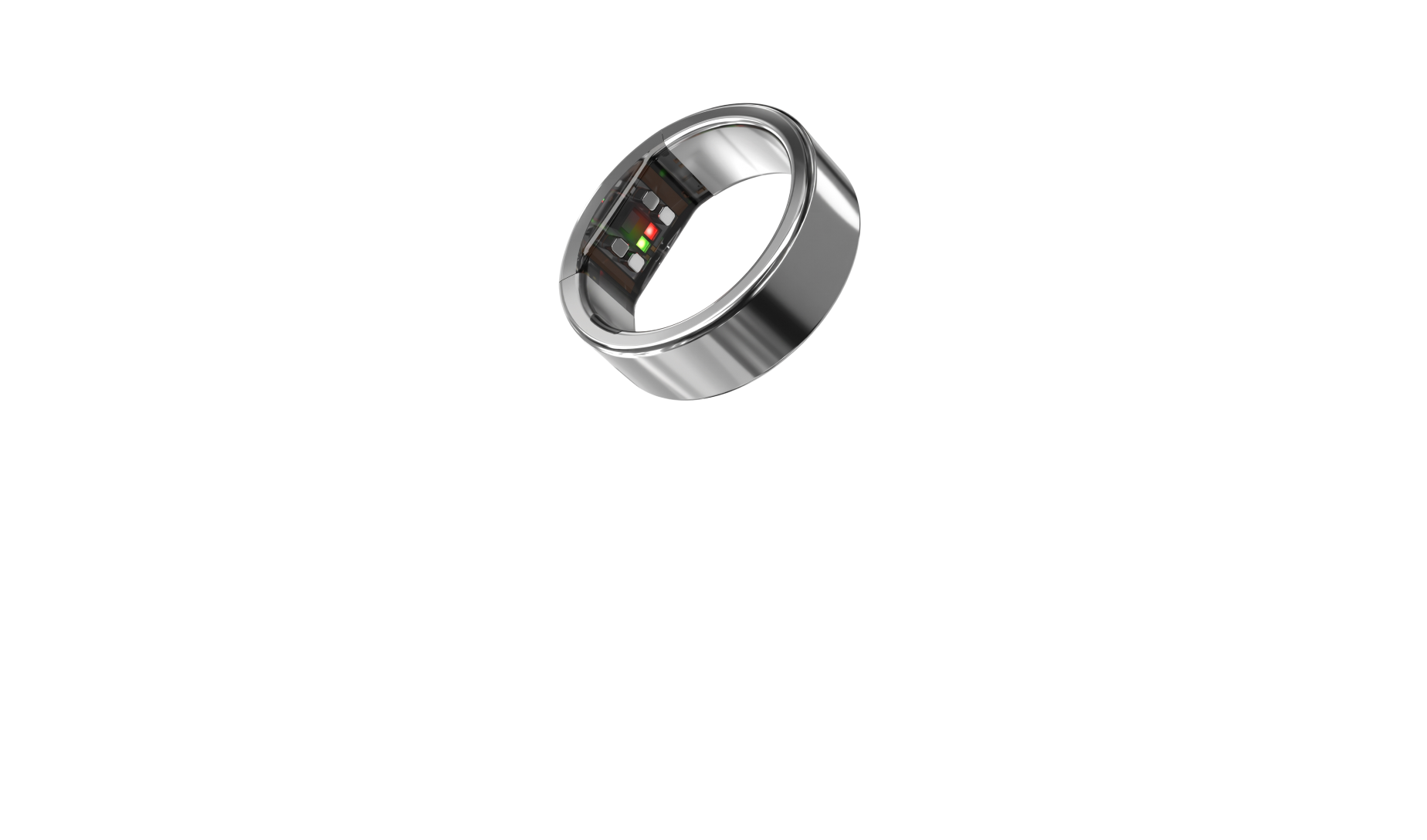
The Ultrahuman Ring sees this in the way your skin temperature, and therefore your progesterone levels, move overnight. Progesterone is the dominant hormone in the second half of the cycle, so if this phase ends earlier, this points to a shorter progesterone response.
In this guide, we explain what a short luteal phase is, the cause, and when a repeating pattern is worth raising with your doctor.
Key takeaways
Your luteal phase is the phase between ovulation and your next period. It normally runs about 10 to 16 days.
The Ring flags a short luteal phase when this stretch runs 9 days or fewer, so your period arrives sooner than expected.
It shows up in roughly 18% of cycles among women with no fertility problems, so an occasional one is common.
One flagged cycle is nothing to act on. A run of them, especially while you're trying to conceive, is worth a conversation with your doctor.
What a short luteal phase is
Your skin temperature is a direct reflection of the rise and fall of progesterone in the bloodstream. In the first half of your cycle, estrogen is the dominant hormone and progesterone sits low. However, at ovulation the follicle that released the egg becomes a small gland, called the corpus luteum, and this gland starts producing progesterone. This supports the menstrual cycle through the luteal phase, dropping back to baseline when your period starts.
The Ring reads your skin temperature from your finger overnight, when your body is still and the signal is cleanest. It doesn't measure progesterone directly; it infers the pattern from the temperature curve.
A short luteal phase occurs when this phase ends prematurely. Your temperature still rises after ovulation the way it should, but the plateau ends early and your period arrives sooner than you expected.
Figure 1
Skin temperature across the cycle
Short Luteal Phase: the warm second half ends early, around nine days after ovulation
Skin temperature across the cycle
Ultrahuman · idealized schematic, not measured data
For the wider picture of the cycle and the hormones behind it, see the cycle and ovulation overview, and here's more on how the Ring reads skin temperature overnight.
What causes a short luteal phase
The main cause of a short luteal phase is hormonal and may be present in women with ovulatory disorders such as thyroid problems and polyendocrine metabolic ovarian syndrome (PMOS), until recently called PCOS, or endometriosis.
Other causes may be due to obesity, anorexia, excessive exercise, aging and stress.
What the research says about short luteal phases
A short luteal phase is common in women with no fertility problems. In 1,635 cycles from 284 women with no infertility diagnosis, a short second half turned up in about 18% of cycles. Most of those women conceived within a year.
Stress shortens a luteal phase. Across 259 women, higher day-to-day stress lined up with lower progesterone in the second half of the cycle, and with higher odds of a cycle where ovulation didn't happen at all.
Medical opinion is conflicting as to whether a short luteal phase should be treated and whether it impacts on fertility outcomes. In general, reproductive medicine bodies define a short luteal phase as 10 days or fewer and note that it hasn't been shown independently to cause infertility.
How the flag appears in the app
Your cycle and your skin temperature trend sit together on the Cycle Tracking page. When the luteal phase runs 9 days or fewer, the app raises the Short Luteal Phase flag alongside your temperature curve.
Noticing a trend is the useful part. One short luteal phase is nothing to be concerned about. If you are consistently noticing short luteal phase flags, discuss this further with your doctor.
Read the original research
All Studies →This explainer is based on original research by the Ultrahuman Science team. Explore the full Studies repository.
Frequently asked questions
Can the Ring diagnose a short luteal phase?
No. The Ring reads your skin temperature and flags a luteal phase of 9 days or fewer. A diagnosis needs a doctor, who can check hormone levels and look at the wider picture.
Is a short luteal phase the same as a short period?
No. The luteal phase is the stretch between ovulation and the start of your next period. A short luteal phase means your period arrives sooner than normal for you.
Does a short luteal phase mean I can't get pregnant?
Not on its own. Most women who have an occasional short cycle still conceive within a year, and reproductive medicine bodies haven't found it to independently cause infertility. A regular short luteal phase while you're trying to conceive is worth raising with your doctor.
Can stress really shorten the second half of my cycle?
Yes. Research links higher day-to-day stress to lower progesterone in the second half of the cycle.
How many short cycles are too many?
There's no strict cut-off. One here and there is common. A pattern that keeps returning month after month is important to discuss with your doctor, especially if you're trying to conceive.
Does a short luteal phase always mean low progesterone?
Not always. Low progesterone is a common reason, but thyroid issues, PMOS, and stretches of physical or emotional strain can all play a part. Only further investigations can determine the cause for you.
References
- Crawford NM et al. Prospective evaluation of luteal phase length and natural fertility. Fertility and Sterility 2017. PMID 28065408
- Mesen TB, Young SL. Progesterone and the luteal phase: a requisite to reproduction. Obstetrics and Gynecology Clinics of North America 2015. PMID 25681845
- Schliep KC et al. Perceived stress, reproductive hormones, and ovulatory function: a prospective cohort study. Epidemiology 2015. PMID 25643098
- Practice Committees of the American Society for Reproductive Medicine and the Society for Reproductive Endocrinology and Infertility. Diagnosis and treatment of luteal phase deficiency: a committee opinion. Fertility and Sterility 2021. PMID 33827766
Cycle Flags describe associations in physiological data. They are not a medical diagnosis, a fertility test, or a contraceptive method. If a pattern in your cycle keeps repeating or something feels off, speak to your physician.

