




GLP-1 PowerPlug explained: what the Ring, CGM and blood tests show while you are on a GLP-1
Medically reviewed by Mukul Mittal, MD
GLP-1 PowerPlug is an add-on for the Ultrahuman app that tracks how your body responds while you're on a GLP-1 medicine. It brings together your Ring readings, glucose from an Ultrahuman continuous glucose monitor (CGM) and results from Blood Vision blood tests with the doses, symptoms and weight you log.
These medicines act on a hormone pathway involved in appetite and blood sugar, and their effects can extend beyond weight. Heart rate, sleep, glucose and activity can all shift in the first weeks.
In this guide, we explain what the PowerPlug tracks and why, how our members' steps changed after they added it, and how to read your own changes.
Key takeaways
Read changes in your readings as weekly averages rather than single nights, and note illness, alcohol, travel and hard training, which move those same readings.
Some of the weight lost on GLP-1 medicines is lean mass, which includes muscle as well as water and other non-fat tissue.
In our analysis, 862 Ultrahuman members who logged GLP-1 use walked about 390 fewer steps a day in the six weeks after adding the PowerPlug than in the six weeks before.
GLP-1 PowerPlug compares changes with your own baseline. Decisions about your medicine stay with your doctor.
What is GLP-1 PowerPlug?
The Ultrahuman Ring's GLP-1 PowerPlug tracks how your readings change while you're on a GLP-1 medicine.
Follow-up on a GLP-1 medicine usually rests on weight, which is checked at appointments months apart.
But a shift in heart rate, sleep, or glucose isn't usually part of that follow-up, so the PowerPlug is designed to help you follow changes between clinical appointments.
How the GLP-1 PowerPlug works
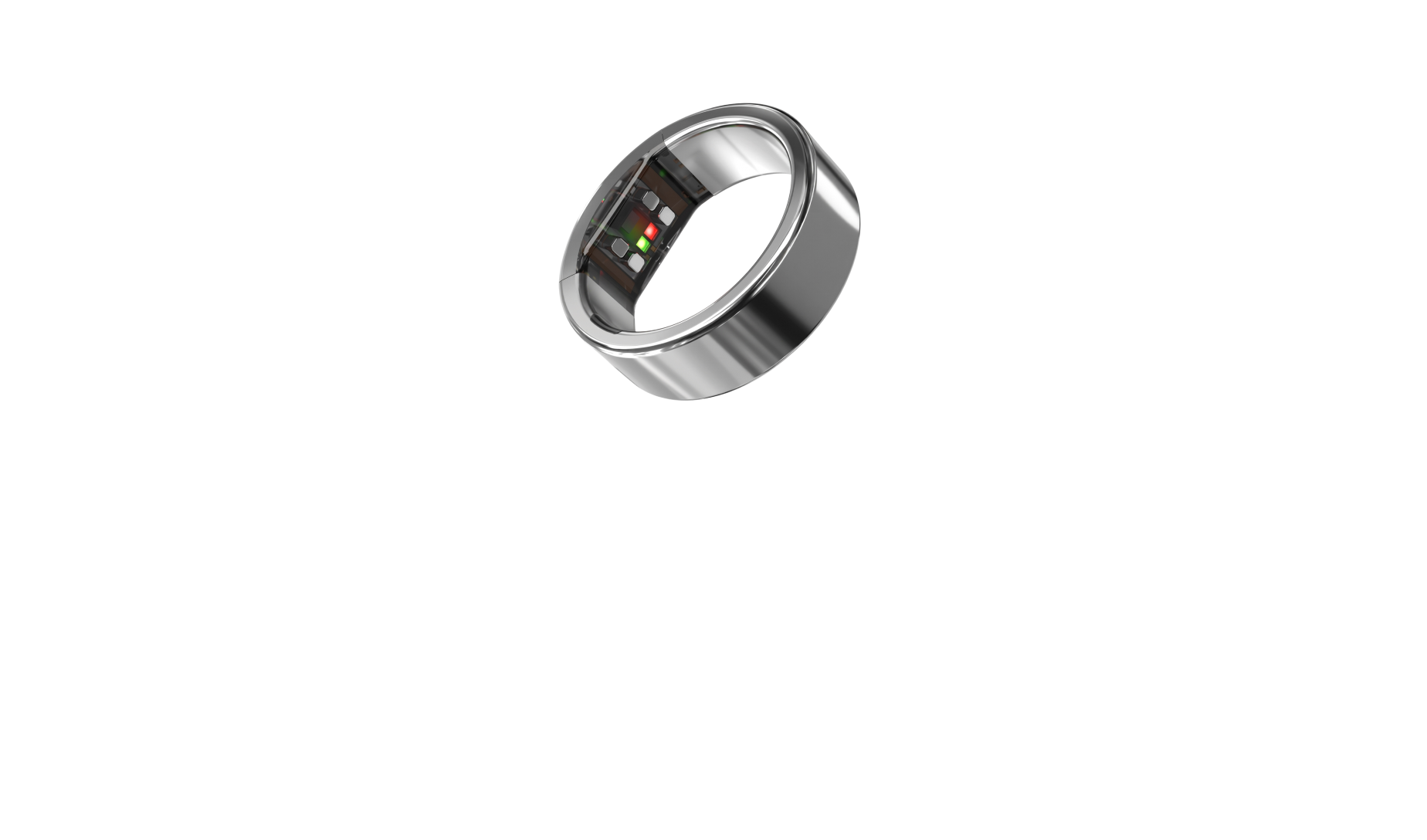
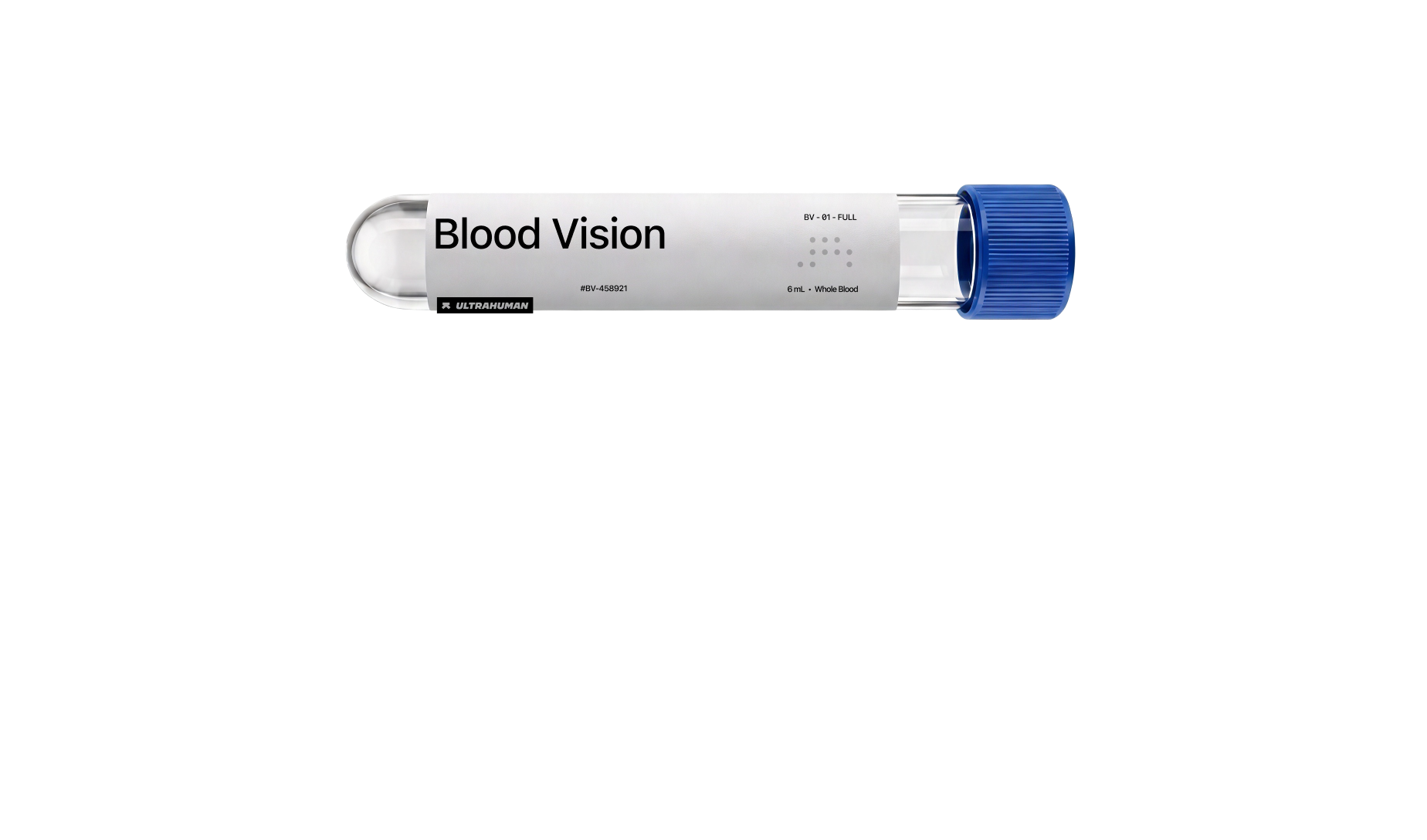
The GLP-1 PowerPlug analyzes heart rate variability (HRV), resting heart rate, sleep, and skin temperature. It also adds your glucose readings if you wear an Ultrahuman CGM, and your blood results if you use Blood Vision.
You log your dose, any symptoms, your weight and, if you track it, your muscle mass.
Each time your dose steps up, the PowerPlug sets your Ring readings from the week after against the week before, so you see a change measured against yourself.
Safety Radar, the PowerPlug's safety monitor, draws on your readings, your results, and your logs, and checks again whenever something new arrives, whether that is a logged dose or a night's sleep.
Safety Radar rates the changes in your data on five levels: Good, Attention, Caution, Warning and Critical. Follow the action shown on the card. Seek care for concerning symptoms even if the app shows no alert.
Why GLP-1 PowerPlug works this way
We built the PowerPlug because follow-up on a GLP-1 medicine usually rests on weight, checked at appointments months apart. A scale cannot show a shift in your heart rate, your sleep, or your glucose.
One man's readings began shifting in his first week on the medicine, which we describe in a case study comparing his weeks on it with his own weeks beforehand. It is an Ultrahuman Science white paper and it has not been peer reviewed. One person cannot tell you what will happen to you.
Some of the weight you lose is lean mass, which includes muscle, so the PowerPlug lets you log muscle mass beside your weight.
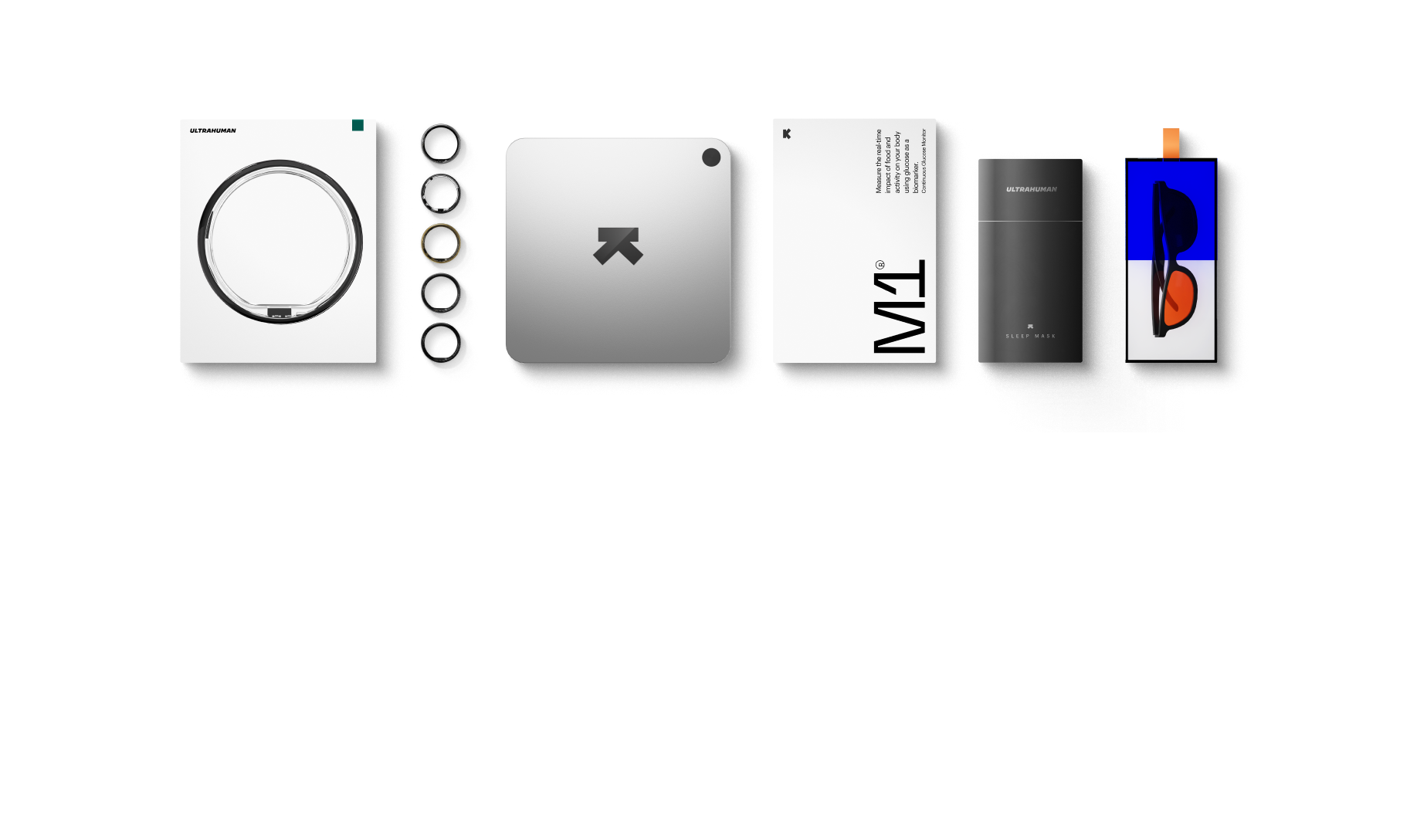
It draws on three sources: heart and sleep from the Ring, glucose from a CGM, and the markers in Blood Vision that only a blood test can measure.
What the research says
Heart rate tends to rise on these medicines. In a 2026 review of 12 studies in adults without diabetes who were overweight or had obesity, heart rate ran about 3.5 beats per minute higher than on a placebo. That pooled figure covers a wide spread between drugs and doses, from around half a beat per minute for one drug and dose up to over nine for another.
HRV findings are less consistent. In a trial of 27 adults with newly diagnosed type 2 diabetes and coronary artery disease, 24-hour HRV fell, and average heart rate rose by about 8 beats per minute over 12 weeks on a GLP-1 medicine, compared with the same stretch on a placebo. The rise was clearest at night. A meta-analysis of trials in people with diabetes also found a rise in heart rate, with no clear change in HRV.
A 2025 review of 22 trials covering 2,258 participants estimated that about a quarter of the weight lost on GLP-1 medicines and related treatments was lean mass, though the share differed between medicines.
What Ultrahuman's data shows
We looked at 862 members who logged GLP-1 use. They walked less in the six weeks after adding the GLP-1 PowerPlug than in the six weeks before: 6,345 steps a day on average, down to 5,956, or 389 steps fewer.
Figure 1
Members walked less after adding the GLP-1 PowerPlug
Across 862 Ultrahuman Ring members, all of whom logged GLP-1 use, average daily steps before and after adding the GLP-1 PowerPlug
GLP-1 PowerPlug explained: what the Ring, CGM and blood tests show while you are on a GLP-1
Source: Ultrahuman Ring data, 862 members, December 2025 to September 2026
GLP-1 PowerPlug explained: what the Ring, CGM and blood tests show while you are on a GLP-1
We compared each member only with themselves, with no group of members who were not taking the medicine, so we cannot say the medicine caused the drop.
The day someone added the PowerPlug is only an estimate of the day they started the medicine, and some had started earlier, so this does not describe what happened from the real starting point.
Changes in how often people wore the Ring, in their symptoms, and in their routines may all have contributed.
How to read GLP-1 PowerPlug's guidance
Read each change against your own baseline, from before you started or before your last dose change, and compare weekly averages instead of single nights.
A small rise in resting heart rate is common on GLP-1 medicines. If your daily steps fall, look at what else changed that week before you put it down to the medicine. Illness, alcohol, hard training, and travel move the same readings.
Contact your doctor if your resting heart rate stays higher than usual, or if you notice a racing heartbeat at rest. Do not wait several weeks to see whether it settles. Seek urgent medical care for persistent severe abdominal pain, inability to keep fluids down, or a fast heartbeat with significant dizziness. Call emergency services for chest pain, fainting or severe breathlessness. Do not wait for an app alert.
If you have symptoms of low blood sugar, such as shakiness or sweating, follow the hypoglycemia plan agreed with your clinician and seek advice. Low glucose is more likely when these medicines are taken with insulin or certain other diabetes medicines. Confusion, seizures or loss of consciousness need emergency help.
What GLP-1 PowerPlug can't tell you
GLP-1 PowerPlug shows what changed in your readings. It cannot tell you why, and it cannot separate the medicine from eating less, sleeping differently, or a change in your routine.
The Ring does not measure muscle or body fat, so the PowerPlug works from the body-composition numbers you log. A scale estimate is not the same thing as a clinical assessment of muscle mass or strength.
The PowerPlug does not diagnose you and it does not decide anything about your medicine. Ultrahuman does not prescribe or supply medicines, and whether to start, change, or stop one is your doctor's decision.
Read the original research
All Studies →This explainer is based on original research by the Ultrahuman Science team. Read the source studies:
Frequently asked questions
Is it normal for my resting heart rate to go up on a GLP-1?
A small rise can occur, but a sustained rise or a racing heartbeat at rest should be discussed with your doctor. Seek urgent help if you also feel significantly dizzy, and call emergency services for chest pain, fainting or severe breathlessness.
Will GLP-1 PowerPlug tell me when to change my dose?
No. The PowerPlug shows how your readings shift around each dose you log, and any change to your dose is your doctor's call.
Can my Ring tell whether I'm losing muscle?
No. The Ring does not measure muscle mass. A body-composition scan or scale can provide estimates to discuss with your doctor. Ask about resistance exercise and adequate nutrition to help preserve muscle during weight loss.
Why did my HRV go up after I started?
The reading alone cannot tell you why. HRV can change with sleep, activity, illness and measurement conditions, as well as during treatment. HRV rose in Ultrahuman's one-person case study, which cannot show that the medicine caused it.
Should I stop my medicine if Safety Radar shows a warning?
Do not change your dose solely because of an app warning. Contact your prescriber and follow your medicine's safety instructions. For severe or urgent symptoms, seek medical care immediately rather than waiting for an app response.
References
- Zhang Y, Zhang C, Gong X, et al. Effect of glucagon-like peptide-1 receptor agonists on heart rate in non-diabetic individuals with overweight or obesity: a systematic review and pairwise and network meta-analysis of randomized controlled trials. European Journal of Medical Research. 2026;31(1):318. PMID 41582189
- Kumarathurai P, Anholm C, Larsen BS, et al. Effects of Liraglutide on Heart Rate and Heart Rate Variability: A Randomized, Double-Blind, Placebo-Controlled Crossover Study. Diabetes Care. 2017;40(1):117-124. PMID 27797930
- Greco C, Santi D, Brigante G, Pacchioni C, Simoni M. Effect of the Glucagon-Like Peptide-1 Receptor Agonists on Autonomic Function in Subjects with Diabetes: A Systematic Review and Meta-Analysis. Diabetes & Metabolism Journal. 2022;46(6):901-911. PMID 35410110
- Karakasis P, Patoulias D, Fragakis N, Mantzoros CS. Effect of glucagon-like peptide-1 receptor agonists and co-agonists on body composition: Systematic review and network meta-analysis. Metabolism. 2025;164:156113. PMID 39719170
- Ultrahuman Science. The GLP-1 Files. 2026. Ultrahuman Science white paper
GLP-1 PowerPlug describes changes and associations in your own data, not their causes. It doesn't diagnose, treat or prevent any condition, and Ultrahuman doesn't prescribe or supply medicines. Seek urgent care for persistent severe stomach pain, inability to keep fluids down, or a racing heartbeat with significant dizziness, and call emergency services for chest pain, fainting or severe breathlessness.
Related explainers
Heart & RecoveryHow the Ultrahuman Ring tracks HRV – and what the data showsMetabolic & BloodUltrahuman M1/M2 Live real-time glucose tracking explainedHeart & RecoveryResting heart rate explainedFitness & MovementHow Ultrahuman measures steps and movementMetabolic & BloodUltrahuman Metabolic Score explained


Your cart is empty
Looks like you haven't added anything yet. Explore our products to get started.